English Syllable Practice
日本語版は以下の通りです。
Practice Exercises
These exercises are designed to help you feel the difference between English syllable rhythm and Japanese mora rhythm.
1. Clap the Rhythm (Stress Awareness)
Say each word out loud and clap only on the stressed syllable.
table → TAble [ TEY - buhl ]
above → aBOVE [ uh - BUHV ]
computer → comPUter [ kuhm - PYOO - ter ]
banana → baNANa [ buh - NAN - uh ]
👉 Tip: The stressed syllable should feel longer, louder, and clearer.
2. Strong vs. Weak Practice
Say the following words slowly. Make the stressed syllable strong, and reduce the others.
photograph → PHO-tə-graph [ FOH - tuh - grahf ]
photographer → pho-TOG-rapher [ fuh - TOG - ruh - fer ]
banana → bə-NAN-ə [ buh - NAN - uh ]
family → FAM-ə-lee [ FAM - uh - lee ] / FAM-lee [ FAM - lee ]
👉 Focus on making the unstressed vowels very short and relaxed (like “uh”).
3. Compare Japanese Rhythm vs. English Rhythm
Try saying the word in two ways:
Step 1: Japanese-style (flat rhythm)
ko-n-pyu-u-ta-a 「コ・ン・ピュ・ー・タ・ー」
a-ru-ko-o-ru 「ア・ル・コ・ー・ル」
bo-ta-n 「ボ・タ・ン」
fi-ru-mu 「フィ・ル・ム」
sa-ra-da 「サ・ラ・ダ」
Step 2: English-style (stress rhythm)
com-PU-ter [ kuhm - PYOO - ter ]
AL-cohol [ AL - kuh - hawl ]
BUTT-on [ BUHT - n ]
film [ film ] (* 1 syllable - no stress)
SALad [ SAL - uhd ]
👉 Notice how English has a “beat,” while Japanese is more even.
4. Sentence Rhythm Practice
Read the sentence out loud:
I want to go to the store.
Now try:
Stress the important words: want, go, store
Reduce the small words: I, to, the
👉 It should sound like:
I WANT to GO to the STORE
More Examples:
She LOVES to eat CHOCOLATE ice cream.
We GO to the MOVIES on SATURDAYS.
I LIKE to RIDE my MOTORCYCLE.
He NEVER wakes up EARLY on WEEKENDS.
The CHILDREN were LAUGHING in the PARK.
We FOUND a BEAUTIFUL SHELL on the BEACH.
She SANG the WHOLE SONG from MEMORY.
The CAR broke DOWN on the HIGHWAY.
I REALLY need a HOT cup of COFFEE.
They MOVED to a NEW HOUSE last SPRING.
5. Listening Practice
Listen to native English speech (movies, YouTube, podcasts) and try to:
Identify which syllables are stressed
Notice how unstressed syllables become very short
Repeat short phrases and copy the rhythm
👉 Don’t focus only on sounds—copy the music of English.
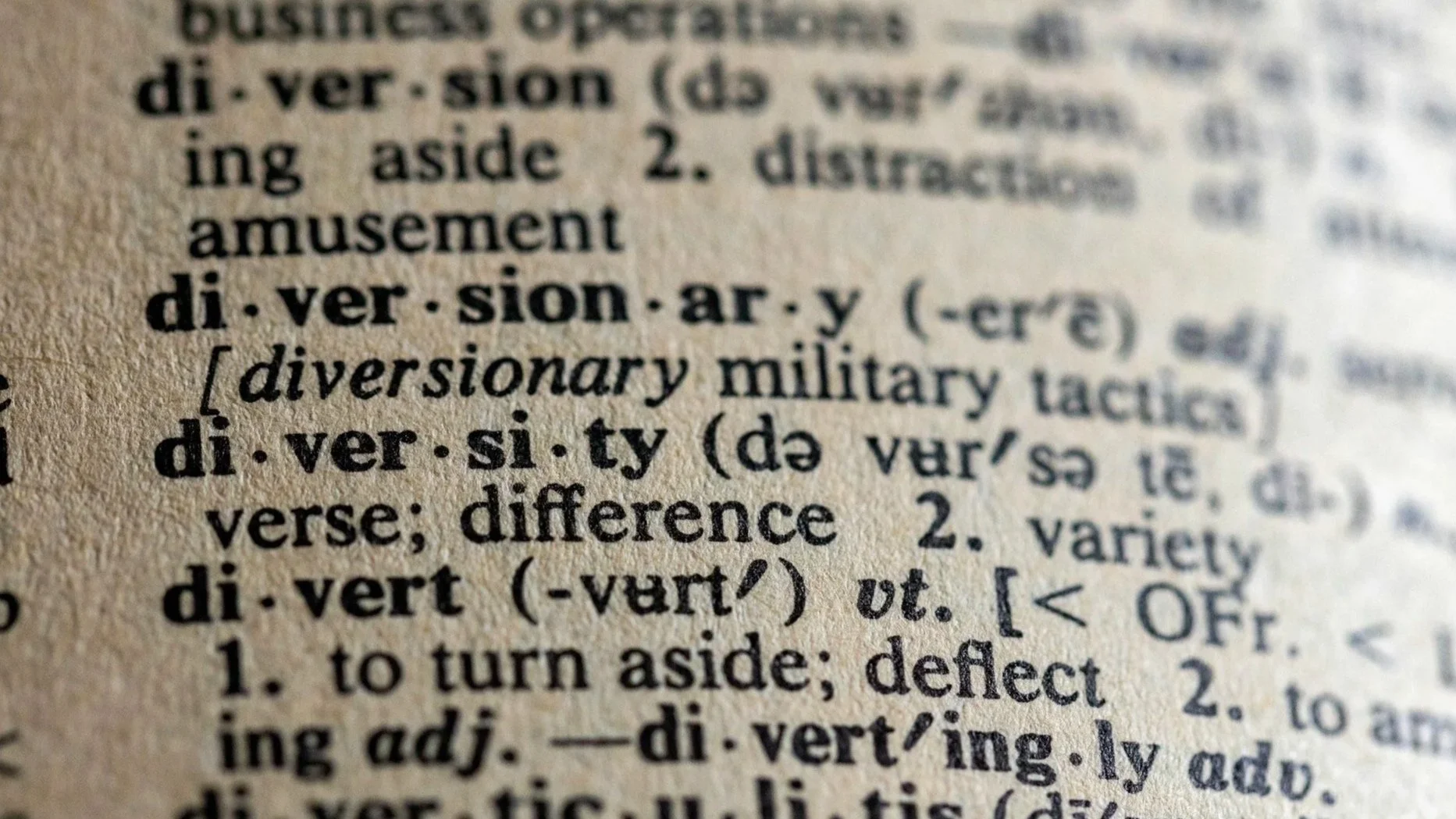
You can find American English pronunciation by looking up words on dictionary.com.
日本語版
練習問題
これらの練習は、英語の音節リズムと日本語のモーラリズムの違いを体感するためのものです。
1. 手をたたいてリズムを感じる(強勢の練習)
単語を声に出しながら、強い音節のところだけ手をたたきましょう。
table → TAble [ TEY - buhl ]
above → aBOVE [ uh - BUHV ]
computer → comPUter [ kuhm - PYOO - ter ]
banana → baNANa [ buh - NAN - uh ]
👉 強い音節は「長く・大きく・はっきり」発音します。
2. 強い音と弱い音の練習
次の単語をゆっくり発音し、強い音をはっきり、弱い音を短くしましょう。
photograph → PHO-tə-graph [ FOH - tuh - grahf ]
photographer → pho-TOG-rapher [ fuh - TOG - ruh - fer ]
banana → bə-NAN-ə [ buh - NAN - uh ]
family → FAM-ə-lee [ FAM - uh - lee ] / FAM-lee [ FAM - lee ]
👉 弱い母音は「ア」ではなく、軽い「ə(あいまいな音)」を意識します。
3. 日本語リズムと英語リズムの比較
同じ単語を2通りで発音してみましょう。
ステップ1:日本語風(均等なリズム)
コ・ン・ピュ・ー・タ・ー(ko-n-pyu-u-ta-a)
ア・ル・コ・ー・ル(a-ru-ko-o-ru)
ボ・タ・ン(bo-ta-n)
フィ・ル・ム(fi-ru-mu)
サ・ラ・ダ(sa-ra-da)
ステップ2:英語風(強弱のあるリズム)
com-PU-ter [ kuhm - PYOO - ter ]
AL-cohol [ AL - kuh - hawl ]
BUTT-on [ BUHT - n ]
film [ film ] (* 1音節語 - 強い音はない)
SALad [ SAL - uhd ]
👉 英語には「強弱の波」があることを意識しましょう。
4. 文のリズム練習
次の文を声に出して読みましょう。
I want to go to the store.
次に:
大事な単語を強く(want / go / store)
機能語は弱く(I / to / the)
👉 イメージ:
I WANT to GO to the STORE
イメージ例文:
She LOVES to eat CHOCOLATE ice cream.
We GO to the MOVIES on SATURDAYS.
I LIKE to RIDE my MOTORCYCLE.
He NEVER wakes up EARLY on WEEKENDS.
The CHILDREN were LAUGHING in the PARK.
We FOUND a BEAUTIFUL SHELL on the BEACH.
She SANG the WHOLE SONG from MEMORY.
The CAR broke DOWN on the HIGHWAY.
I REALLY need a HOT cup of COFFEE.
They MOVED to a NEW HOUSE last SPRING.
5. リスニング練習
英語の音声(映画、YouTube、ポッドキャストなど)を聞いて:
どこが強く発音されているかを探す
弱い音がどれだけ短くなっているかに注目する
短いフレーズを真似してリズムごと繰り返す
👉 「音」だけでなく、「音楽のようなリズム」を真似するのがポイントです。
dictionary.comで単語を検索すれば、アメリカ英語の発音を確認できます。

Share this page!
このページをシェアしよう!